Hydration and Its Role in Overall Wellbeing
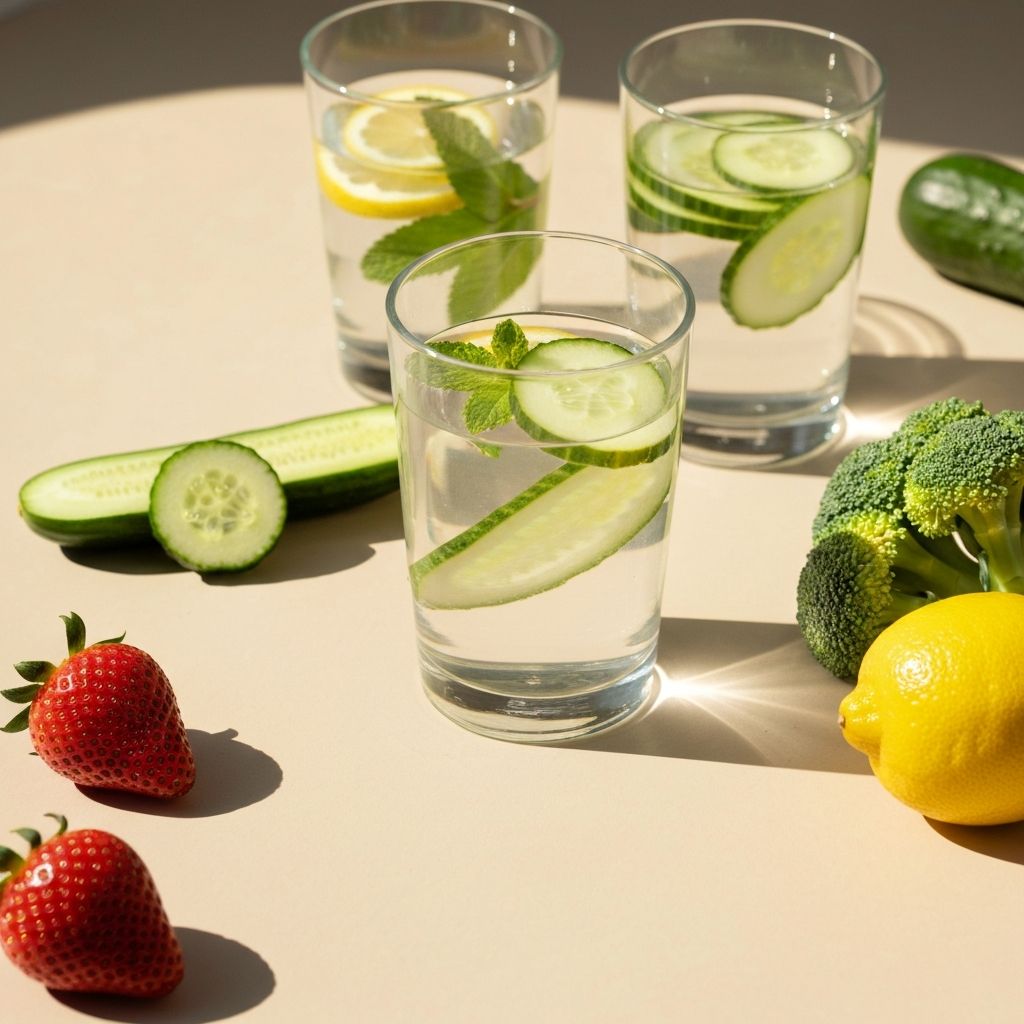
Water is essential for human survival and plays fundamental roles in almost every physiological process. Understanding how hydration supports health and how the body regulates fluid balance provides important nutritional knowledge. This information is presented for educational purposes without prescriptive guidance.
Water in the Human Body
Water comprises approximately 50-70% of total body weight, varying based on age, sex, and body composition. It is the primary component of blood, which transports oxygen and nutrients throughout the body. Water is also a crucial component of cerebrospinal fluid, which protects the brain and spinal cord.
Functions of Water
- Transporting nutrients and oxygen to cells
- Removing waste products through urine and sweat
- Regulating body temperature through perspiration
- Maintaining joint lubrication
- Supporting digestion and nutrient absorption
- Providing the medium for all chemical reactions in the body
- Maintaining blood pressure and cardiovascular function
Water Balance and Regulation
The body carefully regulates fluid balance through complex mechanisms. When body water content decreases, several signals trigger thirst and water conservation responses. The kidneys reduce urine output to conserve water, and the sensation of thirst drives increased water intake.
Conversely, when body water content is excessive, the kidneys increase urine output to eliminate excess water. This regulation happens largely unconsciously through hormonal and neural mechanisms.
Thirst as an Indicator of Hydration
Thirst is the body's primary mechanism for indicating water needs. When plasma osmolarity (the concentration of dissolved substances in blood) increases due to water loss, osmoreceptors in the brain trigger the sensation of thirst. This drives increased water intake to restore balance.
Thirst is generally a reliable indicator of hydration status in healthy individuals, though it may be delayed in certain situations such as intense exercise or extreme heat. Additionally, thirst perception varies among individuals and may change with age.
Water Intake and Sources
Water intake comes from both beverages and food. Many foods, particularly fruits and vegetables, contain significant water content. Additionally, water is produced metabolically as a byproduct of nutrient oxidation.
Common Fluid Sources
- Plain water
- Tea and coffee (despite caffeine content, contribute to overall fluid intake)
- Milk and dairy beverages
- Fruits and vegetables high in water content (watermelon, cucumber, lettuce)
- Soups and broths
- Non-caffeinated beverages
Water Loss and Replacement
Water is lost from the body through several routes:
Insensible Loss
Water is continuously lost through the skin and in exhaled breath. This loss increases with heat, low humidity, and increased metabolic rate. These losses cannot be consciously controlled and are termed "insensible" because they are not visible.
Urinary Loss
The kidneys filter approximately 180 liters of fluid daily, reabsorbing most of it. Excess water and waste products are excreted as urine. Urine output varies based on hydration status and intake.
Fecal Loss
Small amounts of water are lost through the gastrointestinal tract in faeces. When gastrointestinal illness causes diarrhoea, water loss significantly increases.
Sweat Loss
During exercise or heat exposure, the body increases sweat production to cool itself. This can result in substantial fluid loss. Sweat also contains electrolytes such as sodium, which must be replaced.
Individual Hydration Needs
Hydration needs vary substantially among individuals based on numerous factors:
- Climate and ambient temperature
- Level of physical activity
- Diet composition (high-sodium diets increase fluid needs)
- Age and overall health status
- Medications
- Individual sweat rate and metabolism
While general recommendations suggest specific fluid intake amounts, individual needs are best assessed by considering thirst and urine colour, which serves as an indicator of concentration. Pale urine typically indicates adequate hydration, while dark urine suggests dehydration, though medications and foods can affect urine colour.
Hydration and Physical Performance
Even modest levels of dehydration can affect physical performance. Fluid loss equivalent to 2% of body weight can reduce exercise capacity and thermoregulation. Maintaining hydration during physical activity supports optimal performance and temperature regulation.
During prolonged exercise, fluid replacement is important, particularly in hot conditions. However, excessive fluid intake without electrolyte replacement can lead to hyponatraemia (low blood sodium), which is a medical concern.
Hydration and Cognitive Function
Adequate hydration supports cognitive function. Research indicates that even mild dehydration can affect mood, attention, and memory. The brain is particularly sensitive to changes in hydration status.
Special Considerations
Certain populations have heightened hydration needs or risks. Older adults may have diminished thirst sensation despite dehydration needs. Very young children require careful fluid management. Individuals with certain medical conditions may have modified hydration requirements.
Key Takeaways
- Water is essential for virtually all physiological functions
- The body regulates fluid balance through thirst and kidney function
- Thirst is a reliable indicator of hydration needs in most situations
- Water is obtained through beverages and food sources
- Individual hydration needs vary based on activity, climate, and personal factors
- Adequate hydration supports physical performance and cognitive function
- Urine colour can serve as an informal indicator of hydration status
Educational content only. No promises of outcomes.
This article presents general scientific information for educational purposes. It does not constitute medical or nutritional advice and is not personalised to individual circumstances. For guidance specific to your individual situation, consult qualified healthcare professionals.